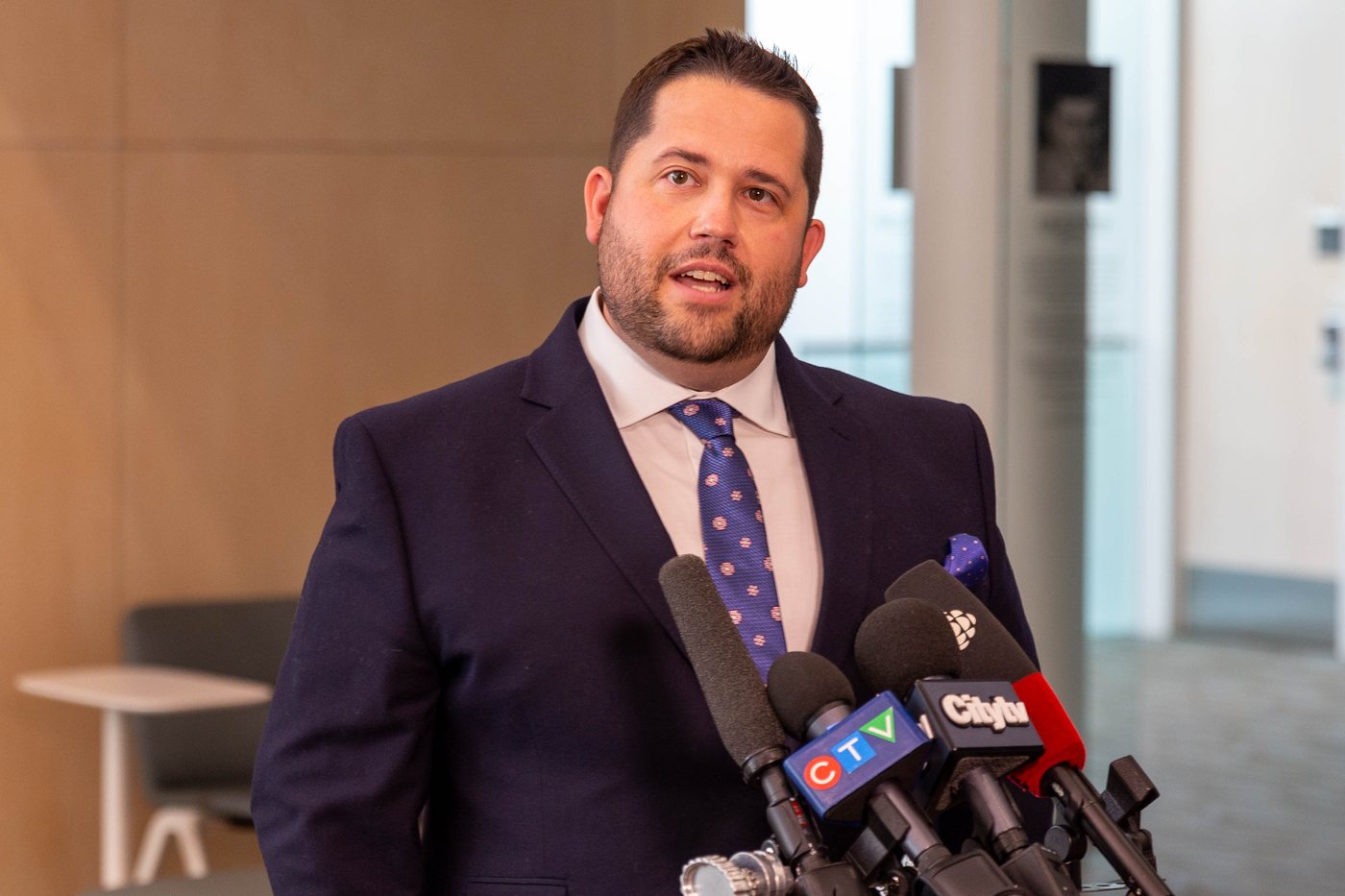
Your favourite progressive politician is a release mechanism. He takes the anger, hope, and energy of movements and vents it safely into the machine, so the machine never has to change.
scroll ▾
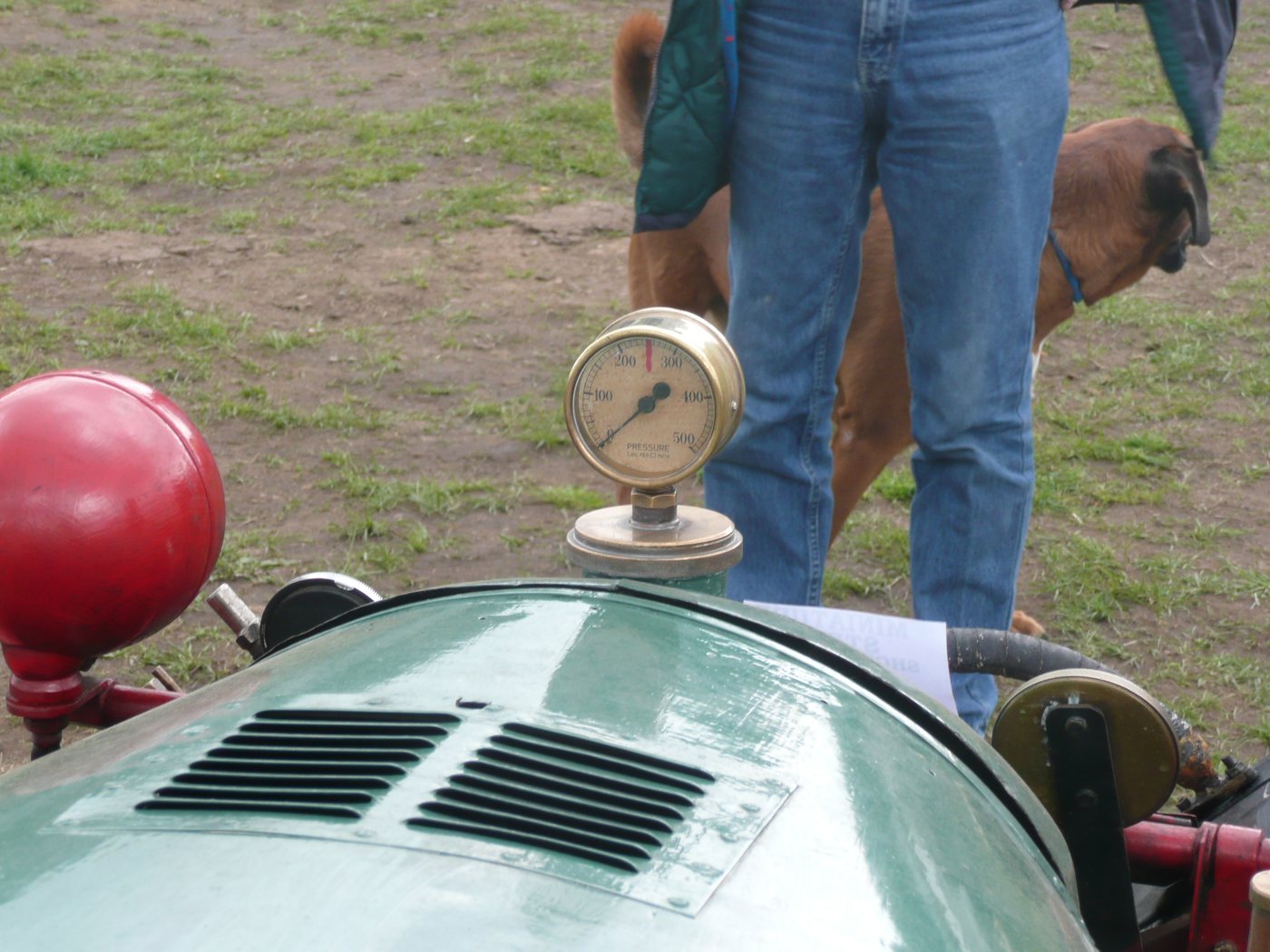
Pressure gauge · Terry Whalebone / Wikimedia Commons · CC BY 2.0
I
You know this politician
He's at the climate meeting. The union hall. The affordability panel. He talks like us, he posts like us, he's endorsed by the groups we trust. In those rooms he sounds like someone who wants to tear the whole rotten thing down and build something better.
And nothing changes.
Not because he's lazy, and maybe not even because he's lying. It doesn't matter whether he means it. What matters is what he does, and what he does, reliably, election after election, is function as a pressure valve.
II
The valve is a real thing. Sociologists named it seventy years ago.
In 1956, Lewis Coser described safety-valve institutions: mechanisms that let people discharge their hostility toward an unjust arrangement without ever modifying the arrangement. The pressure gets released. The relationship that produced it stays intact. His warning: you stop aiming to solve the problem and start aiming to release the tension. The venting becomes the point.
Lewis Coser · 1956
The safety valve releases the pressure and keeps the machine intact.
Frances Fox Piven and Richard Cloward made the political version in Poor People's Movements (1977): working people win through disruption, strikes, occupations, refusal, the credible threat that things will not function. They lose when movements get converted into electoral organizations. Elections act like magnets, pulling defiant energy into a channel where it can be safely managed. The movement gets a candidate. The candidate gets a career. The people get a lawn sign.
Bruce Dixon gave the modern version its sharpest name in 2015: the sheepdog. The sheepdog's job is herding activists back into the fold whenever they drift toward something outside the party system. And Dixon was explicit about the part that matters: the sheepdog can be perfectly sincere. Sincerity is not the mechanism. Function is the mechanism.
Bruce Dixon · 2015
The sheepdog herds the strays back into the fold. It can mean every bit of it.
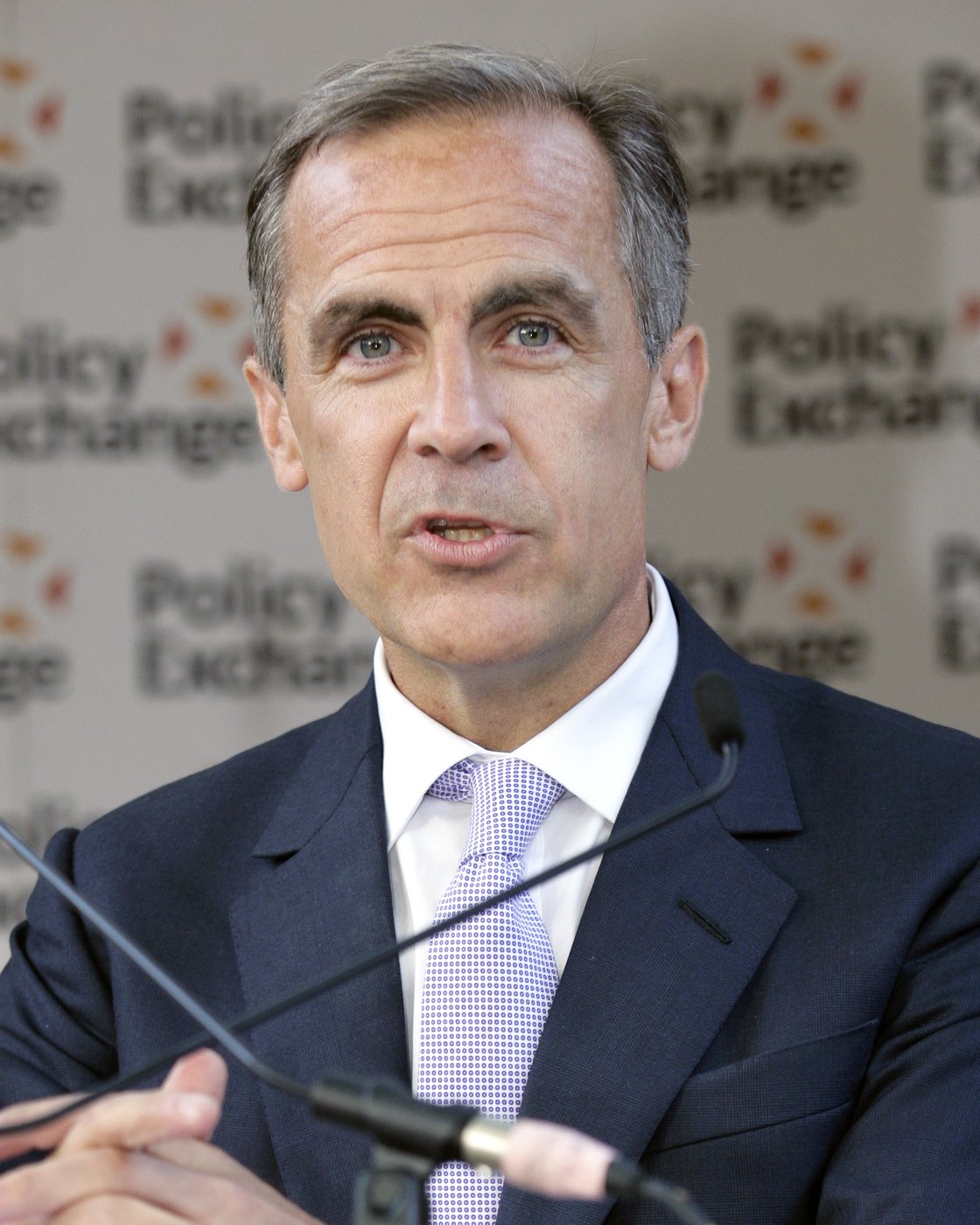
Campaigned in 2025 as the UN climate envoy who would save us from Poilievre. Then: Bill C-5 exempting "national interest" projects from environmental review, a pipeline memo with Danielle Smith, the consumer carbon price scrapped, tens of thousands of public-service cuts. Progressive anxiety was the fuel. The status quo was the destination.
Policy Exchange / Wikimedia Commons · CC BY 2.0
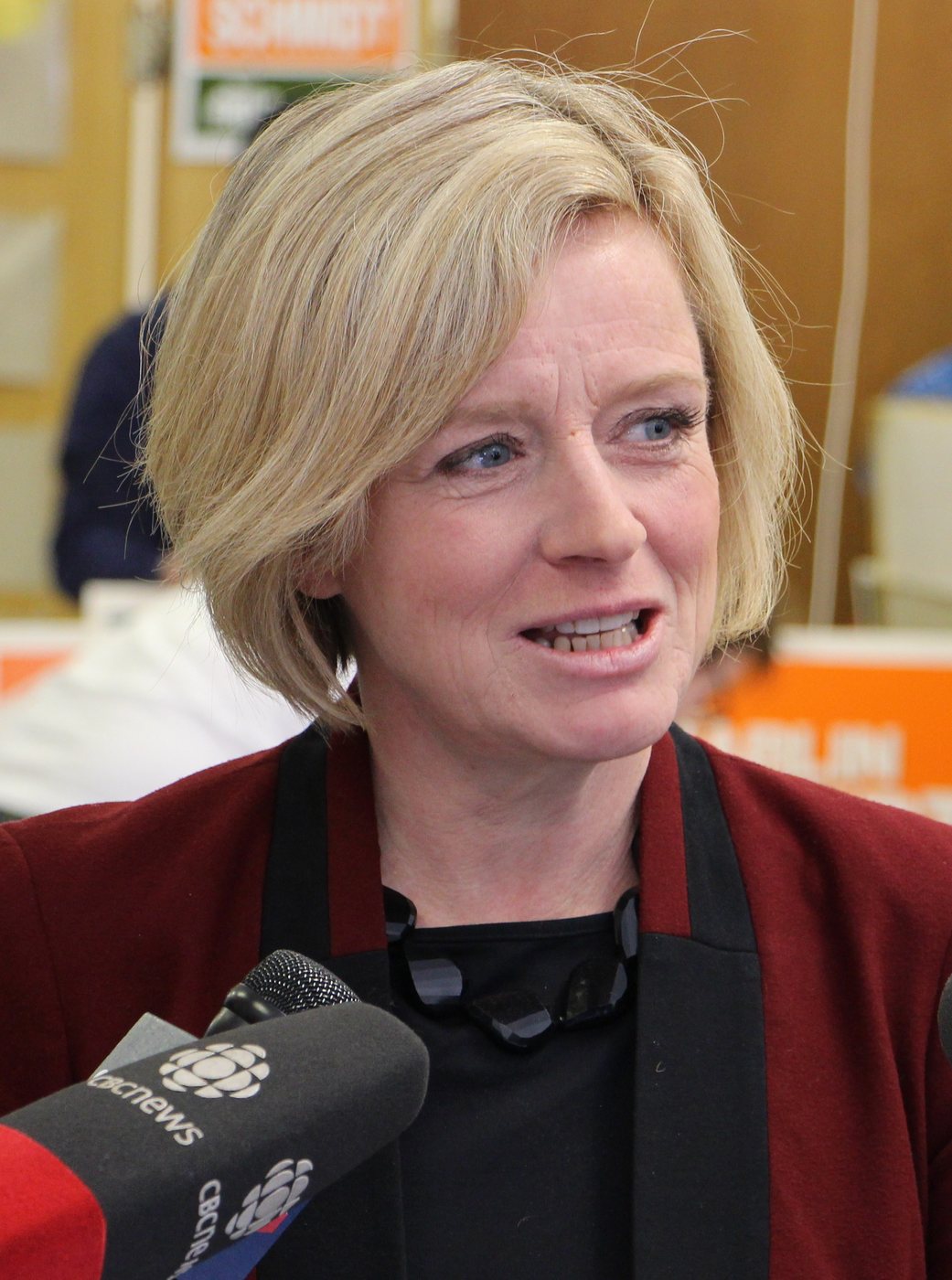
Rachel Notley
"We ride horses, not unicorns"
Elected in 2015 on the most progressive platform this province had seen in generations, she became the single most effective champion of the Trans Mountain pipeline expansion. A generation of Alberta progressives poured their energy into electing her. The pipeline got built. The movement got told to be realistic.
Dave Cournoyer / Wikimedia Commons · CC BY-SA 2.0
Olivia Chow
The labour movement's champion
Toronto's progressive breakthrough has overseen consecutive police-budget increases, pushing the force past $1.4 billion. The direction of the city didn't fundamentally change when the progressive replaced the conservative. The ideology of the institution is what governs, and the institution absorbed her.
Montrealais / Wikimedia Commons · CC BY-SA 2.5
Different parties. Different levels. Same valve.
IV
And here in Edmonton?
The Edmonton version is the most instructive, precisely because our local progressives are not obvious frauds.
Michael Janz
The sincere dissenter
The record is real: sole no on the 2022 police base budget (12 to 1), against the 2023 increase and the three-year funding formula (9 to 4). He refuses developer money and has called for a public inquiry into the Edmonton Police Service. He is visibly, constantly present in Edmonton's left. And the police budget hit $464 million in 2025, over 14% of everything the city spends, with his no-votes duly recorded and changing nothing. When CSU 52 came within a day of striking in 2024, the entire council, every progressive included, stood behind a statement defending the city's offer. Not one broke ranks for the workers.
Mack Male / Wikimedia Commons · CC BY-SA 2.0
This is not a hypocrisy exposé. That's the whole point. Even the most sincere progressive inside a status-quo institution functions primarily as a valve. The dissenting vote that never changes the outcome is the release mechanism working exactly as designed: our anger about policing gets metabolized into a 4 to 9 loss, we're told to elect more people like him, and the machine funds the police anyway.
The energy goes in. Legitimacy comes out.
And none of this is mysterious. The asks movements put in front of this council are definable and squarely in its jurisdiction: refuse the next police equipment purchase when it comes up as a line item, divest city funds and screen city procurement, put binding conditions on the money instead of symbolic dissent beside it. The checklist exists. Movements wrote it down and handed it over. What we get back is progressive language and an unexecuted checklist. That combination is the valve.
V
Speech is permitted. Money is "jurisdiction."
Here is the honest version, the part that cuts against the simplest telling. This month Janz did spend capital in public. He shared posts about Gaza, and when the Jewish Federation of Edmonton saved screenshots and accused him of spreading harmful misinformation, he didn't fold. He declined the on-camera walk-back and released a statement saying he has been "horrified by the genocide in Palestine," committing to keep sharing findings from the UN's Independent International Commission of Inquiry. That is real speech with real cost, and it deserves to be named as such.
Now watch what the institution did with it. Mayor Andrew Knack reached for the safest sentence in the liberal vocabulary: "anyone that's not sharing accurate information, that's not what we want to see." He didn't dispute a single fact. He didn't cite the UN documentation. He simply lent the weight of the mayor's office to the "accuracy" framing, converting a question about documented atrocity into a question about a councillor's social-media hygiene. Another councillor went further, declaring that international conflicts "fall outside council's jurisdiction and expertise."
This is liberalism doing the only thing it reliably does: it never defends the atrocity, it just polices the tone and the standing of anyone who names it. Every time an elected moderate treats genocide documentation as a misinformation dispute, the Israeli state banks another day of Western cover. The bombs don't need Knack's endorsement. They only need his equivocation. Every word of this is about a state, its policing, and the money that funds it. Never a people, never a faith.
The institution permits grief. It protects the money.
And the "not our jurisdiction" dodge is the tell, because it is false. Where the city banks its funds, what its procurement screens exclude, which contracts it keeps: divestment is a council decision. "Outside our jurisdiction" doesn't mean we can't act. It means don't ask this institution to move a dollar. So hold both things at once. Janz's Gaza speech is real, and it is the exception that maps the rule: even at its bravest, what the institution permits is speech. The moment the ask becomes money, the whole chamber discovers jurisdiction.
VI
They don't just release the pressure. They operate the valve.
The pressure-valve politician doesn't passively absorb movement energy. He works to become the single point the energy must flow through, because whoever controls the valve controls the pressure. Watch the behaviors.
1
He accumulates
A demobilized base is useless to him; an angry, organized base that channels through his office is an asset. That's why he's at every meeting. Presence equals position.
2
He gathers intelligence
Being in every space means knowing what's planned and who's rising. The broker position: the node between a movement and power, able to filter, delay, and reframe. Your access to city hall runs through him. City hall's early warning about you runs through him too.
3
He runs a two-audience arbitrage
Revolutionary language in private, procedural language in public. The private radicalism buys your trust; the public moderation buys establishment viability. He arbitrages between the two, and the movement pays the spread.
4
He corrals direct action
The moment a campaign threatens to escape the electoral frame, anything with actual teeth, he counsels patience. Wait for the motion. But disruption is the only leverage movements have ever had. The thing he keeps on a leash is the thing that wins.
5
He harvests
Every ounce of accumulated pressure releases in one direction: his re-election. Your endorsements, your volunteer hours, your credibility, converted into campaign infrastructure. The energy only ever flows one way.
Political scientist Megan Ming Francis named the general phenomenon: movement capture, outside actors leveraging resources and access to redirect a movement's agenda toward their own needs. She documented it with foundation funders and the NAACP a century ago. The politician version is the same mechanism wearing a council pin. The agenda drifts toward what the chokepoint needs. And the chokepoint needs re-election.
VII
So what do we do? Stop voting?
Vote if you want. Voting takes twenty minutes. That's not the question. The question is where the other 51 weeks of your year go. And the answer is: stop pressurizing their pipe. Build your own.
Tenant unions
Collectively withhold rent from a negligent landlord. Leverage no council motion provides.
Workplace organization
Withhold labour. The power that built every social program we have.
Mutual aid networks
Reduce our dependence on institutions that are hostile to us.
Co-operatives
Hold assets, skills, and infrastructure in common, outside the market's reach and the ballot's mercy.
This is the dual power tradition: build counter-institutions alongside and against the state, so communities hold leverage no election can grant and no politician can harvest. These structures share one feature: they cannot be metabolized by an election cycle, because their power doesn't depend on anyone holding office.
Abolitionist organizer Mariame Kaba offers the test for any reform, any campaign, any ask on your time: does it build independent power? Apply it ruthlessly. Apply it to the next politician who shows up at your meeting speaking your language.
Electing someone is asking for power. Building these is having it.